The Fear of Speaking Up in Large Virtual All-Hands Meetings
You know the moment. The CEO finishes their big spiel and asks, "Any questions?" There's that heavy, awkward silence. The chat is a frozen wasteland. Your brain screams a brilliant, insightful thought. Your hand? It hovers over the mouse. Your finger? It twitches near the 'Q' key. But you're frozen. That one second of dead air after you unmute feels like an eternity. What if your voice cracks? What if your question sounds stupid to 300 people? So you stare at your own face in the corner, swallow the thought, and stay silent. Sound familiar? We've all been there.
Your Inner Critic on Main Stage
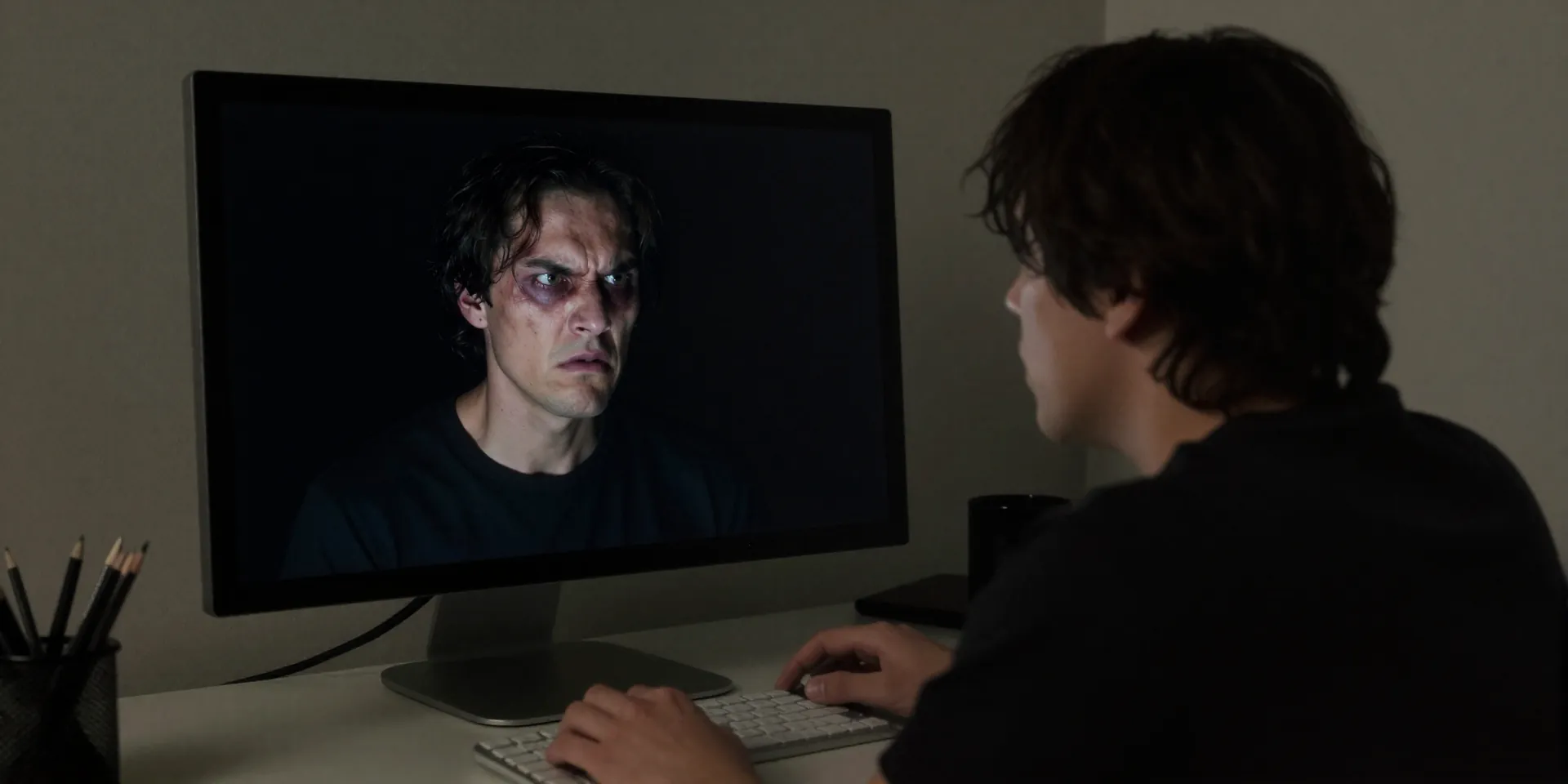
Here's the thing. In a physical room, your inner critic whispers. In a giant virtual town hall, it gets a megaphone and a spotlight. It points out your messy bookshelf in the background. It obsesses over the weird angle of your webcam. It replays a sentence three times before you even say it, convinced it's trash. This isn't just shyness. It's visibility anxiety. Every pixel of your video feed feels like a billboard advertising your perceived inadequacy. But guess what? Nobody is scrutinizing you as hard as you are. They're all busy worrying about their own video feed.
The Disembodied Head Syndrome

Physical meetings have a shared energy. You feel the room. You get subtle cues. Virtual spaces? They strip all that away. You're just a talking head in a box, floating in a grid. It's deeply unnatural. This disconnect fuels the anxiety. You're speaking into a void, unsure if anyone is even listening or just multitasking. The lack of collective breath, of shared space, makes the act of speaking up feel less like participation and more like a solo performance. A really vulnerable one.
Start With the Chat. Seriously.
Forget jumping straight to unmuting. That's the expert level. Start small. Use the damn chat. It's the training wheels for virtual visibility. Type a concise question or a "+1" to someone else's good point. It gets your name in the mix. It proves you're engaged. And it's low-risk. No voice cracks, no dead air. This single act builds a tiny muscle of digital courage. It reminds the system—and you—that you're in the room.
The "Pre-Game" Tactic That Actually Works
Winging it is for the brave (or the foolish). The rest of us need a plan. Before the all-hands, spend two minutes. Jot down one question based on the agenda. Just one. Have it written in front of you. Now, when that silence hits, you're not scrambling. You have a script. You can say, "I had a question about the timeline mentioned earlier..." It’s not a cheat code. It's strategy. It takes the cognitive load off so you can focus on just speaking, not thinking and panicking simultaneously.
Redefine What "Speaking Up" Means
It doesn't have to be a grand, challenging question to the CEO. That's a movie scene. Real speaking up can be asking for clarification on a project that's confusing your team. It can be acknowledging a colleague's hard work in front of the whole company. Impact isn't about volume or confrontation; it's about relevance. Your perspective from your corner of the business is unique. That 20-second comment could be the piece someone else was missing. Your voice isn't an interruption. It's data. It's context. It's what makes these meetings actually worth having.